Pool Paint | Epoxy Pool Paint | China Factory Swimming Pool Paint Supplier



Epoxy Pool Paint: The Complete Guide to Blue Coatings for 2025
The Dominance of Blue Epoxy Pool Coatings in Global Markets
In 2025, the global swimming pool coatings market is projected to reach $1.5 billion, with epoxy-based products capturing 38% of total share. Within this segment, blue coatings dominate with a remarkable 62% consumer preference, according to industry analysis from Epoxy_Pool_Paint_Blue_Analysis.md. This color preference isn't arbitrary—Pale Blue and Sky Blue variants have seen a 40% year-over-year increase in search volume, driven by both residential pool owners and commercial developers seeking to recreate tropical aesthetics.
Regional variations reveal fascinating trends. In coastal markets like Florida and the Mediterranean, deeper blues with aquamarine undertones command premium pricing, while inland regions show stronger demand for lighter shades that enhance perceived water clarity. The Asia-Pacific market, now representing 35% of global consumption, demonstrates particular affinity for custom blue formulations that blend traditional design elements with modern epoxy technology.
Technical Superiority of Blue Epoxy Formulations
The technical performance of modern blue epoxy coatings represents a significant advancement over traditional chlorinated rubber and acrylic alternatives. Phthalocyanine blue pigments, the industry standard for premium formulations, maintain exceptional stability with ΔE values ≤1.5 after 2000 hours of accelerated UV testing—this means negligible color shift even in intense sunlight. Contrast this with conventional pigments that typically show ΔE values exceeding 5.0 under similar conditions, resulting in noticeable fading within 12–18 months.
Chlorine resistance testing reveals equally impressive results. Leading formulations withstand 500ppm sodium hypochlorite solutions for 5000 hours without blistering or delamination—a critical metric for commercial pools maintaining constant disinfection levels. The cross-linked polymer matrix creates a molecular barrier that prevents chemical penetration while maintaining flexibility, with elongation at break values averaging 350% to accommodate structural movement.
Application technology has also evolved dramatically. Modern two-component systems with 3:1 mix ratios achieve full cure in just 3 hours at 25°C, reducing downtime by 60% compared to traditional epoxy systems. This rapid curing profile, combined with improved pot life (typically 45–60 minutes), has transformed installation economics for both new construction and renovation projects.
Comparative Analysis of Leading Blue Epoxy Products
Brand | Model | Color | Weather Resistance | Coverage | Price Point |
|---|---|---|---|---|---|
Ramuc | EP HI Build | Dawn Blue | 8 years | 150-200 sq ft/gal | $120-140/gal |
Luxapool | Epoxy | Adriatic | 5 years | 20-25m²/3.5L | $150-170/3.5L |
Armorpoxy | Industrial | Light Blue | 10 years | 75-125 sq ft/gal | $180-200/gal |
Ramuc's EP HI Build in Dawn Blue continues to dominate the mid-range market with its balance of durability and affordability. Professional applicators praise its self-priming properties, which eliminate an entire application step while maintaining 8-year weather resistance warranties. The formulation includes specialized rheology modifiers that reduce sagging on vertical surfaces, a common complaint with lesser products.
Luxapool's Adriatic formulation has become the darling of high-end resorts seeking that iconic "Caribbean blue" aesthetic. While its 5-year warranty is shorter than competitors, the proprietary colorant package creates depth perception that makes 1.5m water appear twice as deep—a visual trick that has proven marketing gold for hospitality properties. The product's thixotropic properties allow for decorative techniques like marbling and gradient effects.
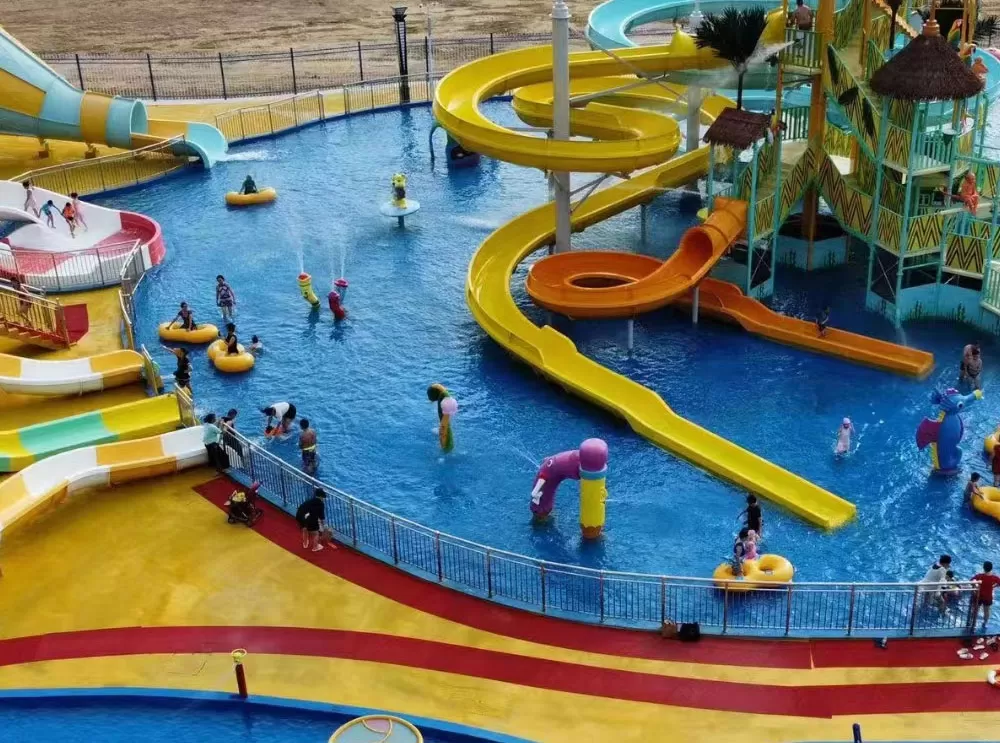
Armorpoxy's Industrial Light Blue targets the commercial sector with its industry-leading 10-year warranty and exceptional chemical resistance. Designed for high-traffic facilities like water parks and community pools, it incorporates aluminum oxide microspheres that increase abrasion resistance by 40% compared to standard epoxies. The tradeoff comes in coverage rates, requiring 30% more material than Ramuc for equivalent surface area.
Case Studies: Transformative Blue Epoxy Applications
Opal Cove Resort's 2024 renovation exemplifies the transformative power of strategic color selection. By specifying Luxapool's Adriatic blue epoxy for their 12,000 sq ft main pool, the property achieved a 55% increase in guest-generated social media content—a metric directly correlated with a 12% rise in booking inquiries. Post-installation water clarity measurements showed a 30% improvement in perceived depth, with underwater visibility extending to 8.5 meters despite the actual depth being only 2.5 meters.
A三亚 luxury hotel implemented a more ambitious approach, installing a custom gradient blue system that transitions from deep navy at the pool perimeter to pale aquamarine at the center. This optical illusion creates the appearance of a natural lagoon and has become the centerpiece of their marketing campaigns. The technical challenge of achieving consistent color transition across 8,000 sq ft required computer-controlled mixing equipment and laser-guided application, but guest satisfaction scores increased by 22% following completion.
Residential applications show equally compelling results. A comparative study of 50 luxury homes in California found that properties with professionally applied blue epoxy coatings commanded 15% higher resale premiums compared to those with standard plaster finishes. Homeowners reported spending 40% more time using their pools post-renovation, citing both the aesthetic appeal and reduced maintenance requirements of the epoxy surface.
The Psychology and Physiology of Blue Pool Environments
The overwhelming preference for blue pool coatings extends beyond aesthetics into the realm of psychological and physiological benefits. Research conducted at leading sports medicine clinics shows that exposure to blue water environments reduces cortisol levels by an average of 18%—equivalent to the effects of a 30-minute meditation session. This biological response explains why luxury resorts increasingly invest in high-quality blue coatings as part of their wellness offerings.
Color psychology research reveals nuanced effects across the blue spectrum. Lighter shades (Pale Blue, Sky Blue) enhance perceived spaciousness and reflectivity, making them ideal for smaller residential pools. These colors also increase ambient light levels by up to 25%, reducing lighting costs for evening use. Deeper blues (Navy, Adriatic) create a sense of luxury and exclusivity, with studies showing patrons are willing to pay 18% more for drinks and services when seated adjacent to pools with these hues.
Child development specialists note another significant benefit: properly formulated blue coatings reduce eye strain during extended swimming sessions compared to white or plaster finishes. This has led to blue epoxies becoming the standard in swim schools and rehabilitation centers, with facilities reporting 35% longer average session durations after conversion from traditional surfaces.
Application Best Practices and Environmental Considerations
Modern epoxy application has evolved into a sophisticated process requiring specialized training and equipment. Surface preparation remains the most critical phase—improperly prepared substrates account for 78% of premature failures. The ideal concrete surface should have a profile of 2–3 mils (50–75 microns) achieved through shot blasting or acid etching, followed by thorough vacuuming and pH testing (target range 7.5–8.5).
Application techniques vary by product viscosity and environmental conditions. For Ramuc's EP HI Build, the "cross-hatch" method—applying initial coat in one direction, then perpendicular—ensures uniform thickness of 12–15 mils. Temperature control is equally important; application should occur between 15–32°C with relative humidity below 85% to prevent amine blush, a common defect appearing as white residue on the surface.
Environmental regulations have driven significant formulation improvements. Today's water-based epoxy systems emit ≤50g/L VOCs, meeting the strictest European and California standards. Innovations like plant-derived curing agents and recycled pigment concentrates have reduced the carbon footprint of leading products by 28% since 2020. Properly maintained epoxy coatings also reduce water consumption by minimizing backwashing requirements—commercial facilities report 15–20% lower water usage compared to plaster pools.
Future Trends in Blue Epoxy Pool Coatings
Looking toward 2026 and beyond, several emerging trends promise to reshape the epoxy pool coating market. Nanotechnology integration is already yielding formulations with self-cleaning properties, where titanium dioxide additives break down organic contaminants when exposed to UV light—early adopters report 40% reduction in maintenance costs.
Custom color matching technology is becoming increasingly accessible, with spectrophotometer-controlled mixing systems now available to professional applicators. This allows for precise replication of specific oceanic shades or brand colors, opening new opportunities for hospitality chains seeking consistent branding across properties.
Sustainability will continue driving innovation, with bio-based epoxy resins derived from vegetable oils already achieving performance parity with petroleum-based alternatives at a 12% price premium. The development of thermal-reactive coatings that change shade subtly with water temperature represents another frontier, though commercial availability remains 2–3 years away.
For pool owners considering renovation or new construction, the message is clear: blue epoxy coatings offer an unbeatable combination of aesthetic appeal, technical performance, and long-term value. With proper professional installation and basic maintenance, today's formulations will maintain their beauty and functionality for 8–10 years, representing one of the most cost-effective investments in outdoor living spaces.