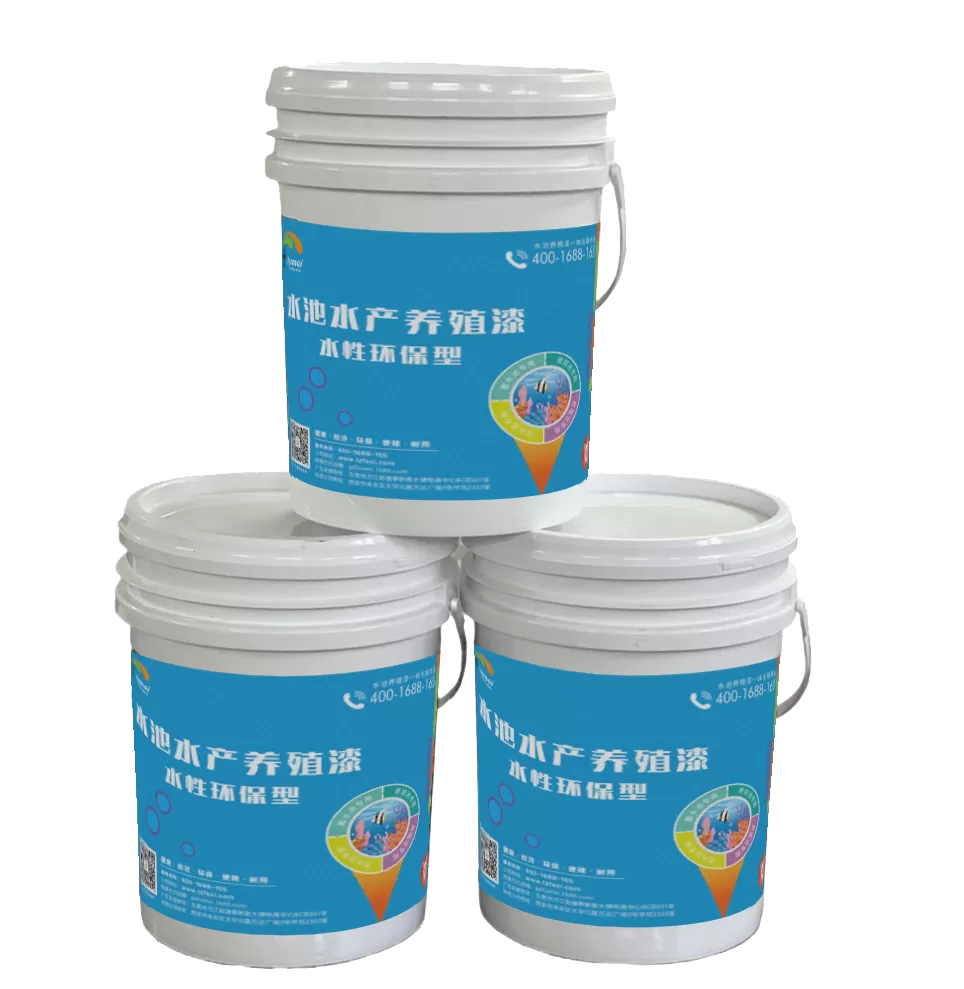
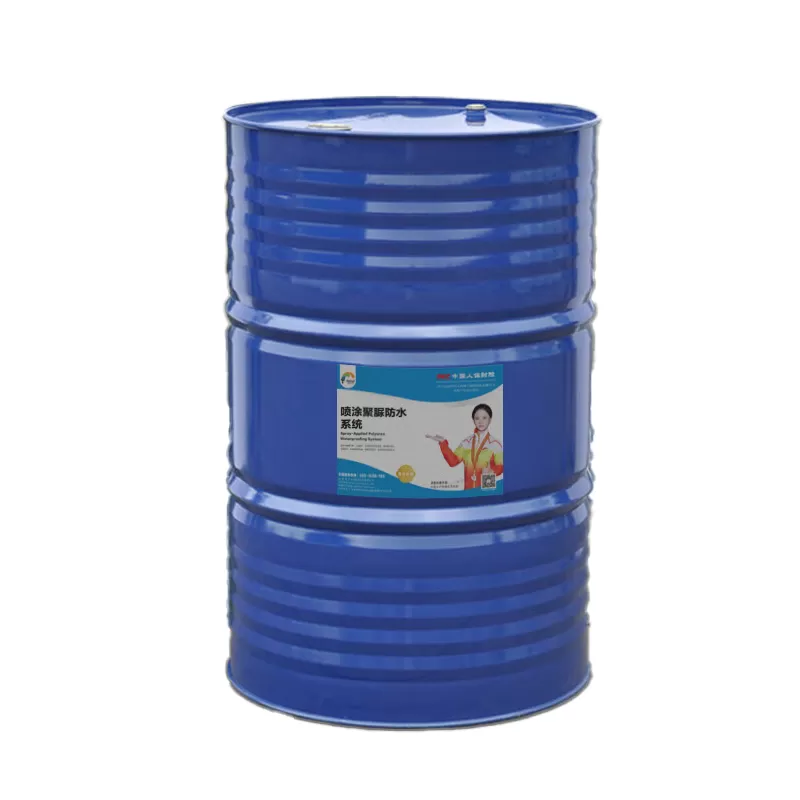
This is a specially formulated eco-friendly functional coating designed for aquaculture equipment. Based on waterborne polymer resin, it integrates nano anti-fouling technology and anti-corrosion formula to form a dense, tough protective film on the surface of various aquaculture facilities. The product directly addresses the pain points of traditional aquaculture—solving issues such as facility corrosion and leakage, excessive algae growth, and secondary water pollution. It provides a safe and stable living environment for aquatic organisms like fish and shrimp fries, while extending the service life of facilities and reducing long-term operation and maintenance costs.
Food-Grade Eco-Safety: Water-based formula (using water as a diluent) with near-zero VOCs and no pungent odor. It has passed SGS certification, with no detectable heavy metals or formaldehyde. Once cured, it does not contaminate water bodies and helps improve the survival rate of fish and shrimp.
Superior Anti-Corrosion Protection: Chloride-ion resistant formula with salt spray resistance exceeding 5,000 hours, capable of withstanding immersion in seawater/freshwater and erosion by salt and alkali. It prevents concrete aging and metal rusting, effectively resolving leakage problems.
Grade 0 Algae Resistance & Easy Maintenance: Achieves Grade 0 algae inhibition (no growth) against filamentous algae and other species. Its smooth surface minimizes dirt adhesion, extending cleaning cycles by more than three times and lowering manual maintenance costs.
Convenient Application & Strong Adaptability: No hazardous curing agents required; it can be applied after diluting with 25%–30% water, supporting roller coating, brush coating, and spray coating methods. The paint film combines hardness with elasticity, capable of covering fine cracks and resisting temperature fluctuations from -40℃ to 60℃.
Freshwater Aquaculture: Fish and shrimp fry ponds, broodstock ponds, recirculating aquaculture tanks, and ornamental fish tanks.
Marine Aquaculture: Sea cucumber ponds, shrimp and crab ponds, cage frames, and industrialized aquaculture workshops.
Special Scenarios: Incubators, temporary rearing ponds, water purification tanks, as well as metal supports and pipelines.
Substrate Preparation: Concrete ponds must be cured for at least 28 days. Remove oil stains and surface dust, and repair cracks. Ensure the substrate is dry (moisture content ≤8%) and level.
Coating Application: Apply the coating to corners and pipe surroundings first, then proceed to large-area application. Two coats are recommended, using a cross-hatch application method, with an interval of 5–8 hours between coats.
Curing & Commissioning: Allow the coating to air-dry naturally for 7 days after application. Fill the facility with water only after the paint film is fully cured, and release fries once water quality tests meet the standards.